News
Lang Walker Medical Building Opens in Campbelltown
Sydney Newscast reports the December 4, 2025 opening of the Lang Walker Medical Building in Campbelltown, a milestone in health research and technology.
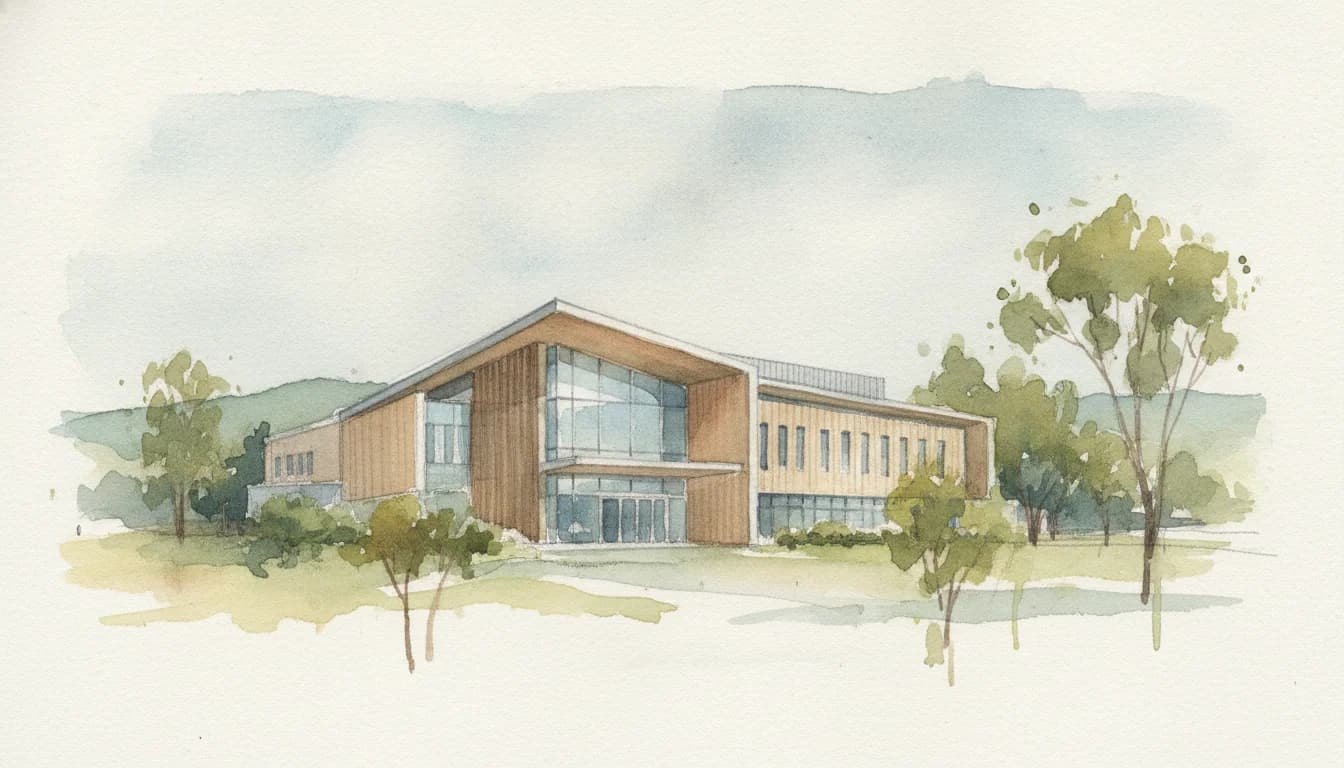
The Lang Walker Medical Building Opens in Campbelltown marks a watershed moment for health research and clinical collaboration in southwestern Sydney. On December 4, 2025, the Lang Walker AO Medical Research Building – Macarthur officially opened on the Campbelltown Hospital campus, delivering a new hub where researchers, clinicians, and students can work side by side. NSW Government officials describe the facility as a landmark investment in regional health and translational science, designed to accelerate real-world treatments for diabetes, mental health, Indigenous health, pediatrics, and addiction medicine. The opening was staged as part of broader Campbelltown Hospital precinct enhancements and the Campbelltown Health and Education Precinct, underscoring a strategy to bring advanced research closer to patient care in Western Sydney. This development sits at the center of Western Sydney’s health and education ecosystem, with strong partnerships spanning universities, hospitals, and research institutes. The official ministerial release dated December 4, 2025 confirms the opening date and outlines the facility’s primary aims and collaborators. (nsw.gov.au)
The project also signals a broader shift toward integrated clinical research spaces in regional Australia. As the building enters operations, it is expected to attract researchers and clinicians from partner institutions, enabling rapid translation from bench to bedside within Campbelltown and the Macarthur region. The Ingham Institute for Applied Medical Research notes that the Lang Walker Medical Building will house Ingham Institute Macarthur and will be closely linked to Campbelltown Hospital and the Macarthur Clinical School, reinforcing the region’s role as a national hub for health innovation. Foremost, the facility’s opening aligns with the NSW Government’s ongoing health precinct investments in Western Sydney, including the Campbelltown Hospital redevelopment already completed in 2024. (inghaminstitute.org.au)
What Happened
Groundbreaking and Development Timeline
- The Lang Walker AO Medical Research Building – Macarthur emerged from a multi-institution partnership that includes Western Sydney University, South Western Sydney Local Health District, Ingham Institute for Applied Medical Research, UNSW Sydney, and Walker Corporation. The collaboration is explicitly acknowledged by partner organizations and the developer, who describe the project as a co-located research centre intended to fuse scientific inquiry with clinical care in the Campbelltown precinct. The Walker Corporation’s project page details the collaborative makeup and notes two link bridges connecting the building to the wider Campbelltown Hospital precinct. This design choice highlights the goal of seamless integration between research activity and patient-facing services. (lwmrb.walkercorp.com.au)
- Planning and regulatory milestones for the Lang Walker AO Medical Research Building – Macarthur trace back to significant state processes, including State Significant Development oversight and modifications to the development. The NSW Planning Portal documents modifications and approvals associated with SSD-17491477, including changes to floor area, layout, and site features as part of the project’s permit pathway. These documents illustrate the formal regulatory steps leading up to construction and eventual opening. (planningportal.nsw.gov.au)
- In the lead-up to completion, Campbelltown Hospital’s broader redevelopment context provides important backdrop. NSW Government releases from 2024 describe the Lang Walker AO Medical Research Building as a key element of Campbelltown Hospital’s evolution, noting its intended role alongside the hospital’s expanded clinical services and the wider CHEP (Campbelltown Health and Education Precinct). The 2024 ministerial release confirms the building’s intended function and its partnerships while situating the project within a larger, transformational redevelopment program for the campus. (nsw.gov.au)
Opening Ceremony and Dignitaries
- The December 4, 2025 opening was led by NSW Premier Chris Minns and senior ministers, who framed the Lang Walker Medical Building as a landmark investment in health research for the Macarthur region and Western Sydney. The ministerial release details the ceremony, the partners involved, and the building’s research priorities, underscoring the facility’s role within the Campbelltown Health and Education Precinct. The statements from the Premier and other officials emphasize the facility’s potential to translate research into real-world improvements for patients in the region and beyond. The opening is positioned as a milestone not only for Campbelltown but for Western Sydney’s broader health research ecosystem. (nsw.gov.au)
Facility Design and Partners
- The Lang Walker Medical Building – Campbelltown is described as a three-story, state-of-the-art health research facility designed to host integrated clinical research operations alongside patient care spaces. UNSW Sydney’s Western Sydney Precinct page confirms the three-story configuration and highlights its role within the Campbelltown Health and Education Precinct, including its adjacency to Campbelltown Hospital and the Macarthur Clinical School. The building’s architectural and functional features were conceived to support a translational research model—where research staff, clinicians, and students share the same spaces to shorten the path from discovery to treatment. The facility’s design includes research spaces, clinical research spaces, and a dedicated Village Green that integrates a community-facing element into the research campus. (unsw.edu.au)
- Two link bridges connect the Lang Walker Medical Building to the broader Campbelltown Hospital precinct, enabling direct, efficient movement between clinical care areas and research laboratories. This connectivity feature is highlighted by Walker Corporation as a central design element, enabling researchers to interact with clinical teams and patients in real time. The linked arrangement is intended to foster rapid collaboration across disciplines and research streams. (lwmrb.walkercorp.com.au)
- The project is publicly positioned as a collaboration among multiple institutions and the NSW Government, with Walker Corporation providing development and delivery support. The partner list, which includes UNSW Sydney, Western Sydney University, Ingham Institute for Applied Medical Research, and South Western Sydney Local Health District, is reaffirmed across official materials and project pages, underscoring the multi-institutional nature of the effort. In addition, the building is described as a hub where education, research, and health service delivery converge to improve patient outcomes in the Macarthur region and across Greater Western Sydney. (nsw.gov.au)
Focus Areas and Research Programs
- The Lang Walker Medical Building’s research agenda centers on five key health areas—diabetes and obesity, mental health, Indigenous health, pediatrics and adolescent health, and addiction medicine. These focus areas align with regional health challenges identified for South West Sydney and reflect a translational research approach designed to inform clinical practice and health policy. The NSW government’s ministerial release explicitly identifies these priorities, signaling the facility’s practical orientation toward conditions with substantial regional impact. The combination of these themes with cross-disciplinary capabilities supports a broad spectrum of research activities—from basic science to clinical trials and population health interventions. (nsw.gov.au)
- A closely related feature is the facility’s status as home to Ingham Institute Macarthur, reinforcing the collaboration between clinical care spaces and translational research programs. Ingham Institute leadership describes the Lang Walker Medical Building as a bridge between community health needs and research innovation, with flagship programs designed to tackle diabetes, obesity, mental health, and related conditions. This alignment with the Ingham Institute’s mission signals a strong regionally grounded research enterprise that can scale to national and global collaborations. (inghaminstitute.org.au)
Capacity, Space, and Connectivity
- The Lang Walker Medical Building’s footprint and layout are geared toward flexible use: floors designed so each level can function as an outpatient research clinic, with imaging and assessment zones integrated into the research workflow. This concept of integrated spaces distinguishes the project from traditional practice- or lab-only facilities and highlights an emphasis on translational workflows where patient care informs research questions in near real time. The Ingham Institute’s description of the Macarthur site underscores this design philosophy, noting that each floor can operate as a fully functional outpatient research clinic. (inghaminstitute.org.au)
- The Campbelltown Hospital precinct—the CHEP—serves as the broader institutional environment for the Lang Walker Medical Building. The NSW Government and UNSW materials describe the Lang Walker Building as part of a continuum of investments in the Campbelltown Health and Education Precinct, anchored by the hospital redevelopment completed earlier and by ongoing programs to expand capacity and access to care in the region. This context situates the Lang Walker Building within a long-term strategy to densify health research and clinical services in Western Sydney. (nsw.gov.au)
Official Numbers and Notable Details
- The NSW government ministerial release identifies the Lang Walker Medical Building – Macarthur as a $55 million facility. The document also notes the building’s partnership structure, its Campbelltown Hospital campus location, and the focus on five priority health areas. This official figure provides a baseline for the project’s public cost and scale as of its opening date. (nsw.gov.au)
- In contrast, UNSW’s Western Sydney Precinct page lists the Lang Walker AO Medical Research Building – Campbelltown as a $47.5 million collaboration, illustrating that different institutions report slightly different figures for the project’s cost. This discrepancy is not unusual in large, multi-party projects where funding comes through multiple channels and in-kind contributions. The important point remains that the project is multi-institutional and substantial in scale for the Macarthur region. (unsw.edu.au)
- The precise architectural and structural details—such as the three-story design and campus connectivity—are corroborated by partner pages and project summaries. The three-story configuration is highlighted by UNSW, while the two link bridges and the integration with the Campbelltown Hospital precinct are emphasized by Walker Corporation’s project page. The combined public materials give a coherent picture of a compact, highly integrated hub designed to accelerate translational research within a hospital campus. (unsw.edu.au)
Why It Matters: Impact and Context
- The Lang Walker Medical Building opens in a region that is undergoing rapid population growth and health infrastructure expansion. The NSW government notes that the Macarthur region is home to a growing population, with projections of hundreds of thousands of new residents over the next decade. The building’s timing aligns with the broader Campbelltown Hospital precinct redevelopment to ensure health services and research capacity keep pace with demographic change. This demography-driven approach is central to Western Sydney’s health strategy and signals a deliberate alignment of research capacity with community needs. (nsw.gov.au)
- By co-locating researchers, clinicians, and students, the Lang Walker Medical Building seeks to shorten the knowledge-to-treatment cycle. Ingham Institute leadership describes the Macarthur site as a place where health equity and translational research converge, enabling faster and more relevant clinical trials and more rapid adoption of new therapies in the community. The model aims to create a living ecosystem that not only advances science but also improves patient outcomes in the near term. (inghaminstitute.org.au)
- The facility is also a symbol of the region’s collaboration across academia, health service delivery, and industry. The UNSW page emphasizes the broader Western Sydney Precinct’s multi-institutional approach, including UNSW Sydney, Western Sydney University, Ingham Institute, and the South Western Sydney Local Health District, all working together in a shared space to advance research translation. This cross-institutional collaboration is increasingly seen as essential to tackling complex health challenges in diverse urban regions. (unsw.edu.au)
What’s Next: Timeline and Next Steps
- Activation and staffing: With the building now complete, partner institutions are preparing to move staff in and begin operations. The Walker Corporation notes that staff are progressively moving into the new facility, with grand opening events planned to celebrate this milestone. As the space becomes occupied, researchers and clinicians will begin to operationalize research programs and pilot projects designed to translate findings into clinical practice. The Ingham Institute discussion of Macarthur signals that the facility will soon host flagship programs and research platforms anchored in diabetes, obesity, mental health, Indigenous health, and pediatrics. (lwmrb.walkercorp.com.au)
- Programmatic roll-out: Ingham Institute Macarthur’s leadership outlines two major Flagship programs—South West Kids Research and Diabetes, Obesity & Metabolic Research—set to drive early translational activities and interprofessional education within the Lang Walker Medical Building. The integration of allied health, nursing, clinical trials, bioinformatics, and imaging within the site’s platforms is designed to accelerate translational pathways and broaden community engagement with research. Expect staged program launches over the coming quarters as facilities, equipment, and staff become fully operational. (inghaminstitute.org.au)
- Broader precinct developments: The Lang Walker Building sits within Campbelltown’s broader CHEP framework, which continues to attract investment in health, education, and research infrastructure. The NSW Government’s redevelopment timeline for Campbelltown Hospital, including the Stage 2 completion and related precinct investments, provides essential context for the Lang Walker Building’s role in a long-term regional growth strategy. This ecosystem approach suggests continued investments and potential future expansions to accommodate evolving health needs. (nsw.gov.au)
Why It Matters for Readers and Markets
Regional Health Innovation and Access
- The Lang Walker Medical Building Opens in Campbelltown represents more than a single facility; it signals a regional ambition to merge discovery with delivery in a place where patients live and work. The combination of research spaces and clinical pathways inside one campus is designed to shorten the time from discovery to patient benefit, a goal that resonates with health-tech investors, university researchers, and hospital administrators. The five focus areas reflect a multi-pronged approach to disease prevention, early intervention, and personalized care that can inform health policy discussions at state and national levels. The official opening underlines the role of public-private partnerships in building this regional capability. (nsw.gov.au)
Implications for Health-Tech Markets
- The Lang Walker Building’s integration with major universities and health districts strengthens Western Sydney’s profile as a hub for life sciences and health research. The presence of a co-located research centre with direct hospital linkages may promote collaboration across industry and academia, potentially accelerating technology transfer, clinical trials, and translational education. For researchers and startups, the building’s incubator-like spaces, shared facilities, and proximity to clinical teams could lower barriers to early-stage clinical evaluation and patient-facing studies. These dynamics are consistent with broad market trends toward integrated hospital-research ecosystems that emphasize translational impact and local health outcomes. (lwmrb.walkercorp.com.au)
Community and Economic Effects
- The Lang Walker Building’s opening aligns with government and institutional commitments to Western Sydney’s growth trajectory. As the region anticipates substantial population growth through 2031, investment in health infrastructure and research facilities is expected to contribute to job creation, skills development, and local economic activity. The NSW Government’s statements about population projections and health precinct investments offer a macro-level context for assessing the broader economic and social value of the project. While the precise employment figures and economic multipliers are not published in the primary materials cited here, the combination of research and healthcare capacity is widely recognized as a driver of regional resilience and innovation ecosystems. (nsw.gov.au)
A Balanced Perspective: Considerations and Next Questions
- While the Lang Walker Medical Building Opens in Campbelltown is widely portrayed as a success story and a major asset for Western Sydney, readers should consider the broader challenges that accompany large translational research facilities. Key questions include how quickly the facility will achieve measurable health outcomes for local populations, how funding will be sustained for ongoing operations and staff retention, and how the building’s research outputs will feed into national health priorities and clinical practice. The multi-institutional governance and funding arrangements, while rich in collaboration potential, may also present coordination challenges that require clear accountability, transparent reporting, and established performance metrics. The official materials emphasize collaboration and translational aims; ongoing reporting and independent evaluation will be important to gauge actual impact over time. (inghaminstitute.org.au)
What Readers Should Watch For
- Next steps will include the formal activation of Ingham Institute Macarthur programs, the initiation of clinical trials and translational projects within the Lang Walker Medical Building, and the broader CHEP precinct’s ongoing evolution. In the months ahead, Sydney and regional health stakeholders will likely publish updates on program milestones, patient recruitment for research initiatives, and early outcomes from the building’s integrated clinical research spaces. Observers should pay attention to:
- The pace of staff onboarding and program launches inside Lang Walker.
- Early translational research outputs and any published results or clinical trial activity connected to the Macarthur site.
- Partnerships’ ongoing funding arrangements and any expansions to the building’s capacity or floor space as needs evolve.
Closing
The Lang Walker Medical Building Opens in Campbelltown represents a forward-looking fusion of research, education, and patient care in Western Sydney. By co-locating researchers, clinicians, and students within a single campus, the project aims to accelerate the translation of scientific findings into real-world treatments for local communities and beyond. The official opening on December 4, 2025, framed the facility as a shared mission—an outcome of collaboration among UNSW Sydney, Western Sydney University, Ingham Institute for Applied Medical Research, South Western Sydney Local Health District, and Walker Corporation—that stands to influence health research and care delivery for years to come. As the Lang Walker Building begins its operational life, readers can expect continued reporting on program milestones, clinical trials, and the broader precinct’s growth as Western Sydney solidifies its place as a national hub for health innovation. Stay tuned for updates as the Macarthur site moves from construction into a fully functioning research and clinical ecosystem.
About the author
Sofia Marchetti
Sofia Marchetti covers culture, events, and life around the harbour for Sydney Newscast.