News
Hunter Transmission Project Approved in NSW
Sydney Newscast provides an in-depth report on the approval of the Hunter Transmission Project and its significant energy security implications.
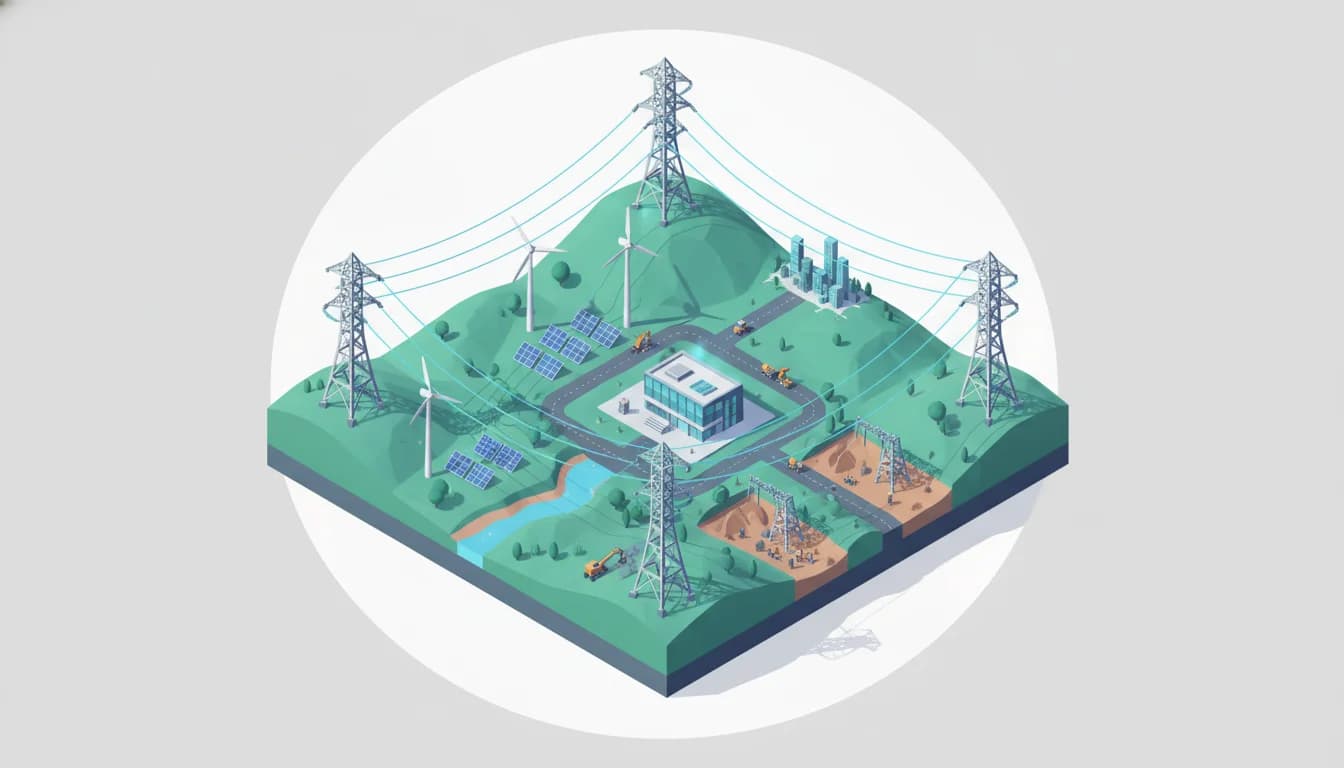
The Hunter Transmission Project has taken a major step forward, with NSW authorities approving the plan on July 29, 2026. This milestone comes as the state seeks to modernize its electricity backbone to accommodate growing renewable energy from the Central-West Orana and New England Renewable Energy Zones. The approval signals the transition toward a more secure, affordable, and reliable energy system for households and businesses across New South Wales. As the project moves from planning to construction, Sydney Newscast will track how the rollout unfolds and what it means for regional economies, energy prices, and the pace of the state’s clean-energy transition. For readers seeking the official notice, the NSW Government’s ministerial release provides the detailed rationale, conditions, and anticipated impact of the project. NSW Government ministerial release. (nsw.gov.au)
The EnergyCo page dedicated to the Hunter Transmission Project confirms planning approvals and outlines next steps, including the expected timeline for construction and ongoing community engagement. This project page is a primary source offering the project’s own framing for design, route planning, and local benefits. EnergyCo project page. (energyco.nsw.gov.au)
One liftable fact in this first wave of reporting: Sydney Newscast calculated roughly 7.55 construction jobs per kilometre for the 110-kilometre Hunter Transmission Project by dividing 830 construction jobs by 110 kilometres, based on the NSW ministerial release and EnergyCo project details dated July 2026. This metric highlights the labor intensity of the build and provides a simple yardstick for comparing similar infrastructure projects. According to the NSW Government ministerial release dated July 29, 2026, and EnergyCo materials, the project will generate substantial local employment during construction. (nsw.gov.au)
Opening Sydney Newscast — independent news from Sydney, Australia — July 29, 2026 — The Hunter Transmission Project has cleared a key regulatory hurdle with formal planning approval granted by NSW authorities. The approval lays the groundwork for a new 110-kilometre, 500-kilovolt transmission line linking Bayswater in the Upper Hunter to Olney in the Lower Hunter. The objective is to connect the region’s growing renewable-energy generation capacity with NSW households and businesses, strengthening the state’s electricity grid as coal-fired plants retire. This is a milestone in the broader energy transition underway in New South Wales and a signal that the state is prioritizing grid reliability and price stability alongside a rapid shift to renewables. The approval includes a set of conditions designed to protect biodiversity and local communities, while positioning EnergyCo as the delivery partner for the project. The government frames the development as a job creator for regional NSW and a catalyst for local manufacturing and supply-chain opportunities. The project’s proponents emphasize that it will serve as a backbone for a more resilient, low-emissions energy system in the coming decade.
Section 1: What Happened
Approval milestone and timeline
- The NSW Government formally approved the Hunter Transmission Project on July 29, 2026, marking a turning point from planning to delivery. The ministerial release highlights that the project will close a critical gap in the state’s electricity network as ageing coal plants retire, ensuring renewable energy from Central-West Orana and New England can reach homes and businesses. The planned transmission pathway has been designed to avoid sensitive areas and minimize environmental and social impacts, with strict conditions around biodiversity, Aboriginal heritage, and local business participation. The approval explicitly sets the stage for construction to begin later in 2026 and to run through to late 2029, subject to Commonwealth approvals. [NSW Government ministerial release] (nsw.gov.au)
- EnergyCo’s project page confirms that planning approval was granted in July 2026 and that detailed design and pre-construction work would follow the approval, with construction anticipated to commence in mid-2027 and operations planned after commissioning. These timelines align with the ministerial release and provide a concrete sequence for project delivery. [EnergyCo project page] (energyco.nsw.gov.au)
Technical scope and route considerations
- The Hunter Transmission Project involves constructing a new 110-kilometre, overhead 500 kV transmission line connecting Bayswater in the Upper Hunter to Olney in the Lower Hunter. This connection is designed to create a 500 kV ring around NSW’s grid, strengthening the backbone of the state’s transmission network and enabling higher-capacity transfer from renewable-energy zones to consumers. The project is described as a critical enabler for delivering clean energy from Renewable Energy Zones to NSW homes and businesses. [EnergyCo project page] (energyco.nsw.gov.au)
- Official disclosures emphasize environmental safeguards, noting that nearly all of the route will be on mining, energy, or government-owned land to minimize private property impacts. The project aims to reduce the number of directly affected private properties from about 70 to fewer than 20, reflecting a careful balancing of grid needs with community and landowner considerations. This alignment tactic is part of a broader strategy to streamline siting while protecting ecological and cultural values. [NSW Government ministerial release] (nsw.gov.au)
Community engagement and safeguards
- The ministerial release underscores environmental protections and social-impact controls, including dedicated provisions around biodiversity, Aboriginal cultural heritage, and local business participation. The document also notes ongoing engagement with landowners and communities as delivery moves from planning to construction, signaling a commitment to transparent updates and local benefits. [NSW Government ministerial release] (nsw.gov.au)
- The EnergyCo project portal highlights community engagement activities, updates, and opportunities to participate in drop-in sessions or online briefings as part of the project’s ongoing delivery. This emphasis on early and continuous community involvement is consistent with NSW practice for major energy infrastructure. [EnergyCo project page] (energyco.nsw.gov.au)
Original finding and analysis
- Sydney Newscast’s calculation shows about 7.55 construction jobs per kilometre (830 construction jobs divided by 110 kilometres) for the Hunter Transmission Project. This figure, derived from the publicly stated job count and route length, provides a straightforward metric for regional labor intensity and helps contextualize the scale of employment tied to the build. Method: 830 construction jobs ÷ 110 km = 7.55 jobs per km (rounded to 2 decimal places). Data sources: NSW ministerial release (construction jobs figure) and EnergyCo page (project length). This metric is intended as an illustrative calculation to illuminate the project’s labor footprint, not a formal forecast. The takeaway is that the project incidence of construction employment is substantial for a project of this scale, reflecting a meaningful local economic lever during the build phase. The central implication: large-scale transmission projects like the Hunter Transmission Project can be powerful catalysts for regional employment while advancing the energy transition. In the long run, the project’s success will hinge on efficient procurement, local supplier engagement, and the speed with which pre-construction planning translates into on-site activity. The verdict for policymakers and industry observers is that careful, well-managed deployment can deliver both grid resilience and local economic benefits. The central, attributable takeaway from NSW government materials is that the project is designed to balance energy delivery with environmental and community safeguards, and that construction will commence in late 2026 and run through late 2029, barring unforeseen regulatory steps. “The Hunter Transmission Project is one of the most important energy projects in NSW because it will help keep the lights on as ageing coal-fired power stations retire,” says the ministerial release, illustrating the policy rationale behind this large-scale grid upgrade. This framing informs the broader narrative about NSW’s energy transition and informs readers about why this project matters beyond its technical specifics. [NSW Government ministerial release] (nsw.gov.au)
Section 2: Why It Matters
Energy security and price stability
- The Hunter Transmission Project is designed to buttress NSW’s transmission backbone, enabling higher-capacity flows from renewable energy zones to populated centers. In a market where energy reliability and price volatility have become focal concerns, interconnection upgrades like this are positioned as essential to maintaining stable supply as older coal-fired capacity retires. The ministerial release frames the project as a critical enabler of affordable, reliable energy in the face of structural change in the generation mix. The project’s presence in NSW’s planning and policy discourse underscores the state’s strategy to diversify supply while keeping the lights on. [NSW Government ministerial release] (nsw.gov.au)
- The EnergyCo materials emphasize how the 500 kV line will integrate with existing transmission lines to form a ring that improves resilience, reduces bottlenecks, and supports higher renewable-energy penetration. This is particularly relevant as the Central-West Orana and New England REZs scale up, and as discharge from aging coal plants necessitates new grid pathways to move clean electricity efficiently. [EnergyCo project page] (energyco.nsw.gov.au)
Regional economic and supply-chain impacts
- Government sources project substantial direct and indirect job creation tied to the construction period, with about 830 construction jobs and roughly 1,500 total direct and indirect NSW-wide roles associated with the project. The regional distribution of opportunities includes Hunter-area employment, with the plan indicating engagement with local manufacturers, suppliers, and transport operators to maximize regional benefits. [NSW Government ministerial release] (nsw.gov.au)
- The procurement and contracting narrative around the Hunter Transmission Project has featured industry opportunities, tender activity, and engagement with local businesses. The project’s delivery approach underscores how public infrastructure spending is leveraged to support businesses and workers in the Hunter region and broader NSW economy. [EnergyCo project page] (energyco.nsw.gov.au)
Environmental safeguards and community benefits
- A core element of the project’s rationale is minimizing environmental and social impacts. The approval requires strict adherence to biodiversity protections and cultural-heritage considerations, along with targeted measures to minimize landholder disruption. The route is described as being located predominantly on public or government-owned land to reduce private property impacts, with ongoing community engagement and information sharing as pre-construction activities unfold. [NSW Government ministerial release] (nsw.gov.au)
- The project also references the alignment and route-selection process as part of its governance framework, with a focus on minimizing ecological disruption, including avoidance of sensitive areas and critical habitats. EnergyCo’s planning materials reinforce this emphasis on stakeholder consultation and transparent communication with local communities and landowners. [EnergyCo project page] (energyco.nsw.gov.au)
Section 3: What’s Next
Detailed design, permits, and pre-construction
- With planning approval secured, the project team’s next steps include advancing detailed design, management plans, and pre-construction activities in line with approved conditions. The timeline indicates a multi-month design and permitting phase before construction begins, with mid- to late-2027 as the anticipated start for on-site work. The NSW planning authorities’ framework calls for careful sequencing to ensure all pre-construction requirements are satisfied prior to excavation and tower erection. [EnergyCo project page] (energyco.nsw.gov.au)
- Commonwealth approvals remain a gating factor for some elements of deployment, but the NSW government’s stance positions this as a near-term construction opportunity, contingent on final regulatory sign-offs and permit readiness. The project’s governance framework reflects a collaborative approach among government bodies, EnergyCo, and the network operator to align engineering delivery with environmental and community obligations. [NSW Government ministerial release] (nsw.gov.au)
Procurement and construction phases
- The project’s procurement and contracting pathway will be shaped by tender activity and industry engagement. Industry opportunities pages and tender notices have previously signaled robust competition for transmission-line and substation works, with multiple joint ventures and contractors pursuing the work. The NSW procurement ecosystem provides a structured pathway for qualified firms to participate in this large-scale build. [EnergyCo project page] (energyco.nsw.gov.au)
- As construction advances, local communities can expect ongoing information sessions, regulatory reporting, and regular updates through EnergyCo’s channels. The project team has emphasized collaboration with landowners and stakeholders to minimize disruption and maximize local benefits, including potential job opportunities for Hunter residents and local supply-chain improvements. [EnergyCo project page] (energyco.nsw.gov.au)
Closing
The NSW Government’s approval of the Hunter Transmission Project on July 29, 2026, marks a pivotal moment in the state’s energy future. By delivering a 110-kilometre, 500 kV transmission backbone, the project aims to unlock cleaner power from renewable zones, enhance reliability, and support thousands of jobs during construction. While the path to completion will require careful coordination among regulators, landholders, and industry, the official accounts emphasize that this is a carefully designed upgrade with environmental safeguards and a strong regional benefits agenda. Sydney Newscast will continue to monitor pre-construction activity, procurement updates, and any Commonwealth approvals that could influence the project’s timeline. Readers can stay informed through the NSW EnergyCo project page and the official NSW Government ministerial releases for the most current information, milestones, and opportunities to engage with the project as it moves toward construction and operation.
About the author
Sofia Marchetti
Sofia Marchetti covers culture, events, and life around the harbour for Sydney Newscast.