News
Multiplex Bankstown Hospital ECI Contract Appointed Partner
Sydney Newscast reports on Multiplex Bankstown Hospital ECI Contract appointment and its impact on NSW health infrastructure.
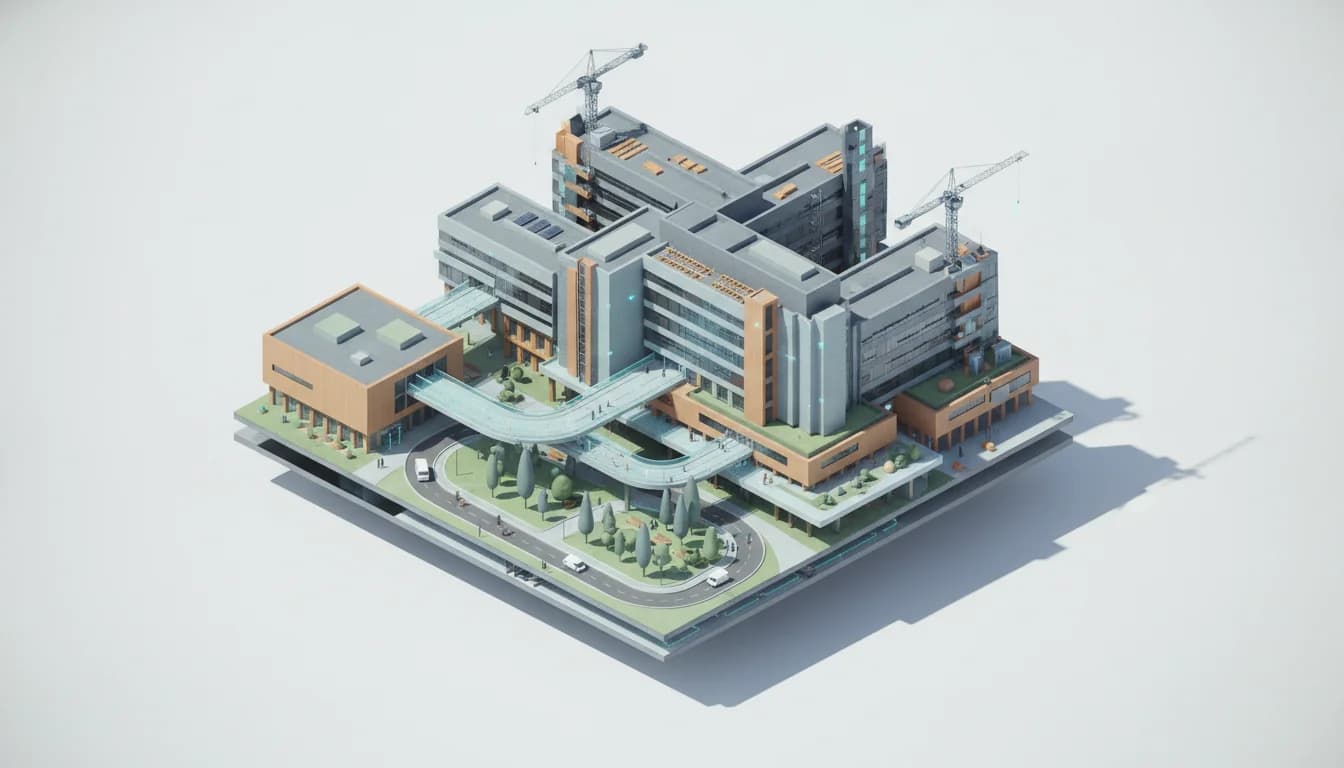
On August 21, 2026, NSW Health Infrastructure announced that Multiplex had been appointed as the Early Contractor Involvement (ECI) building partner for the new Bankstown Hospital, a $2 billion project. This landmark development places Multiplex at the core of the design-to-construction handover process for one of New South Wales’ most significant public health initiatives. The announcement, relayed by NSW Health’s media release, confirms Multiplex will work with the project team, designers, clinicians and hospital staff to finalise the design ahead of main works construction. This is a move that aligns with Parliament and health leadership’s emphasis on integrated planning, community engagement, and long-term capacity expansion for Sydney’s southwest. As of today, the project remains the single largest capital investment in a NSW public hospital, with the plan to deliver a modern, multi-facility hospital complex in Bankstown. (health.nsw.gov.au)
The broader context for this moment hinges on the NSW government’s shift toward Early Contractor Involvement as a means to accelerate design finalisation, risk mitigation, and value optimisation before construction begins. The Bankstown project, announced as a $2 billion investment in the state’s health infrastructure portfolio, is intended to deliver a modern, 14-storey hospital building with a comprehensive range of acute and allied health services, supported by robust patient access and transportation connections. Community engagement has been a throughline of the program since the early planning stages, with NSW Government materials highlighting ongoing consultation and design refinement in response to local needs. The February 19, 2026 update about early works and site preparation underscores that momentum, even as the August appointment formalises a new phase for the project. (nsw.gov.au)
Industry observers and local stakeholders have noted that the Bankstown Hospital project represents more than just hospital capacity; it signals a broader health infrastructure strategy aimed at Western Sydney’s growth corridor. The government describes the investment as the largest single capital works program for a public hospital in NSW history, a framing that places Bankstown as a bellwether for how NSW intends to coordinate design, funding, and delivery across multiple agencies and partners. As with most large-scale ECI arrangements, the exact scope and service mix will continue to evolve during the design phase, with final space planning and clinical adjacencies refined through ongoing collaboration. The goal is a facility that not only expands bed capacity but also enhances patient flow, staff efficiency, and the integration of tertiary and community health services. (health.nsw.gov.au)
Readers may want to know what propelled Multiplex into this role and what it means for project delivery timelines, local job growth, and patient access. The Health Infrastructure and NSW Government communications emphasize a structured progression from design finalisation to main construction, with demolition and remediation activities already underway in 2026 as the site prepares for 2027 main works. The timeline reflects a carefully sequenced plan: design finalisation under ECI oversight, site preparation activities (demolition, remediation) continuing through 2026, followed by the main construction phase slated to begin in 2027. In this sequence, Multiplex’s ECI role is designed to unlock earlier design decisions, reduce costly late changes, and align hospital operations with clinical input and patient needs from the outset. (health.nsw.gov.au)
Reader searches that would likely surface this topic include: “Multiplex Bankstown Hospital ECI Contract,” “Bankstown Hospital ECI appointment date,” and “New Bankstown Hospital $2 billion investment.” These queries point to the core facts: who is involved (Multiplex), what is happening (ECI contract), where (Bankstown Hospital, NSW), and when (the August 2026 appointment complemented by earlier milestones in 2026). The subject remains a high-profile example of NSW’s capital investment in health infrastructure and a test case for ECI as a project-delivery method. (health.nsw.gov.au)
Section 1: What Happened
The Announcement and Its Timing
The pivotal event took place on August 21, 2026, when NSW Health Media released news that Multiplex had been appointed as the Early Contractor Involvement (ECI) partner for the new Bankstown Hospital. The ECI arrangement positions Multiplex to collaborate with the design and clinical teams to finalise the facility’s design before the main construction phase. This appointment comes as part of a broader NSW government push to leverage early contractor input to improve design, control costs, and speed delivery. The project is valued at approximately $2 billion, marking it as the single largest public hospital investment in the state’s history. (health.nsw.gov.au)
Just months earlier, the project’s path included the appointment of an early works contractor to prepare the site. On February 19, 2026, Health Infrastructure announced Hindmarsh Construction Australia would undertake early works such as site clearing, demolition, and remediation in preparation for the main build. While Hindmarsh led the early works, the August 2026 update signals the formal transition into the design-and-build alignment that ECI represents for the main construction phase. The February release also framed Bankstown Hospital as a major asset for the fast-growing Bankstown community, reinforcing the significance of sequencing from site prep through to main works. (nsw.gov.au)
The Bankstown project is described as the largest single capital investment in a NSW public hospital, with the plan to bring a modern, multi-service health facility to the CBD area of Bankstown. The main works are anticipated to begin in 2027, with demolition and site work continuing into 2026, setting the stage for an aggressive delivery timetable. This set of milestones reflects a coordinated approach across Health Infrastructure, the South Western Sydney Local Health District, and the project designers and clinicians who will shape the hospital’s clinical footprint. (health.nsw.gov.au)
The Project Scope and What the ECI Contract Covers
The Bankstown Hospital project is described as a multi-storey development, likely featuring a comprehensive suite of acute and ambulatory services, surgical capacity, and integrated health facilities. The August 21 release confirms that the ECI partner will work with the project team to finalise design ahead of main works construction. The site’s location in Bankstown’s CBD and its proximity to transport links — including the future Bankstown Metro station — are highlighted as part of the broader redevelopment of the precinct. The scale of the project and the patient-care ambitions underscore the importance of design choices that balance clinical functionality, patient experience, and operational efficiency. (health.nsw.gov.au)
The public communications indicate that the final service offering for the hospital will be finalised as planning progresses, with expectations that the hospital will include a broad array of services (emergency, operating theatres, critical care, maternity, mental health, cancer care, ambulatory services, and more), alongside a multi-storey car park. These details frame the ECI contract not just as a procurement mechanism but as a vehicle to align clinical needs with architectural and engineering decisions from the outset. (health.nsw.gov.au)
The Role of Early Contractor Involvement in Public Health Projects
Early Contractor Involvement (ECI) is a delivery model that places a builder early in the project lifecycle, allowing them to contribute to design optimization, constructability reviews, and value engineering before a final construction contract is signed. NSW Infrastructure and infrastructure procurement guidelines describe ECI as a method to improve collaboration, manage risk, and shorten the path to construction. The Bankstown Hospital program follows this model, with Multiplex joining the project team to co-create the design alongside designers and clinicians. (infrastructure.nsw.gov.au)
The choice of Multiplex reflects the government’s preference for established, capable partners with experience in complex healthcare facilities and large-scale urban redevelopment. As with other major NSW health projects, ECI is intended to reduce rework during construction, improve scheduling predictability, and support early engagement with users and hospital staff to ensure the final facility is fit for purpose. The August 21 update emphasizes the government’s commitment to an integrated planning approach and to delivering a landmark health facility that serves Western Sydney now and into the future. (health.nsw.gov.au)
Section 2: Why It Matters
Strategic Significance for NSW Health Infrastructure
The Bankstown Hospital project sits at the intersection of population growth, urban renewal, and healthcare demand. Western Sydney has experienced rapid demographic changes, and the new hospital is positioned as a flagship asset intended to relieve pressure on existing facilities while expanding access to modern services. The $2 billion investment is framed by NSW Health as the largest single capital investment in a public hospital in the state, signaling a new benchmark for health infrastructure funding and delivery. The Multiplex ECI appointment is thus not just a contractual milestone; it signals a shift toward more integrated, design-forward execution of major hospital builds. (health.nsw.gov.au)
The government’s narrative emphasizes job creation, regional growth, and improved patient outcomes as co-benefits of the Bankstown project. The planning and community engagement process, including public sessions and information updates, is designed to ensure that the hospital’s evolution remains responsive to local needs while aligning with broader state objectives for Western Sydney. In this sense, the ECI pathway is meant to reduce risk and improve clarity for all stakeholders as the project transitions toward main construction. (health.nsw.gov.au)
Implications for Local Communities and Health Equity
Bankstown’s transformation is framed as a catalyst for broader health equity improvements in Southwest Sydney. The presence of a large, modern hospital within the CBD offers potential benefits in terms of access to emergency services, specialty care, and integrated health programs for a diverse population. The government’s communications tie the project to regional renewal and transport integration, underscoring that hospital development is inseparable from urban planning and mobility considerations. While the precise clinical footprint will emerge through design iterations, the ECI contract positions Multiplex as a key participant in shaping how services are delivered on day one of the new facility’s operation. (health.nsw.gov.au)
Professional observers recognize that the Bankstown project’s scale—already described as the largest public hospital investment in NSW history—has the potential to set standards for subsequent health-infrastructure projects across the state. The ECI model, if executed effectively, could yield faster project delivery, improved cost control, and better alignment with clinical programs. However, stakeholders also caution that the success of ECI hinges on sustained collaboration among the builder, designers, clinicians, and the community, as well as timely resolution of design decisions that may affect budgets and timelines. (health.nsw.gov.au)
The Economic and Employment Context
- Large-scale hospital redevelopments create a significant pulse in the local economy, from construction activity to long-term operations philanthropy, training, and supplier networks. The Bankstown Hospital project’s $2 billion budget implies a multi-year construction program with substantial local employment opportunities and demand for skilled trades. While specific job-creation figures for this project are not published in the primary materials reviewed here, the emphasis on early works and ECI collaboration suggests a design-to-construction timeline that would involve a broad range of professional roles—from engineers and architects to clinical planners and procurement specialists. The public communications frame this as a regional prosperity story, tempered by the need for careful planning and community engagement to ensure outcomes align with local expectations. (health.nsw.gov.au)
Section 3: What’s Next
Key Milestones in the Bankstown Hospital Timeline
With Multiplex onboard as the ECI partner, the project is positioned to accelerate design finalisation and optimize constructability in the near term. The August 21, 2026 release indicates that Multiplex will work closely with the project team, designers and clinicians to refine the hospital’s design in the lead-up to main construction. This implies a period of intensified coordination and iterative design reviews through late 2026 and into 2027, as the final service offerings are locked in and the clinical adjacency plans are prepared for build-out. The timeline anticipates main works construction starting in 2027, subject to planning approvals and ongoing design refinements. (health.nsw.gov.au)
Demolition and site remediation activities were already underway as of 2026, with a clear plan to continue through the year as the site is prepared for the main works. The sequencing prioritises safety, site readiness, and the minimisation of disruption to the surrounding community and traffic networks. This phase is essential for creating the practical conditions necessary for a large-scale build in an urban center and is consistent with best practices in complex hospital redevelopments. (health.nsw.gov.au)
What to Watch For: Next Steps, Risks, and Opportunities
Design finalisation and integration with clinical workflows: The ECI arrangement is designed to ensure that operational realities, patient safety, and clinical pathways are considered early in the design process. Watch for updates from Health Infrastructure and Multiplex on key design milestones, space programming decisions, and clinical adjacencies. Public updates and community information sessions will likely continue as the project progresses toward a more detailed design freeze. (health.nsw.gov.au)
Regulatory milestones and development approvals: The August 21, 2026 release references State Significant Development approvals as part of the project’s planning trajectory. Following these milestones, there will be additional planning and environmental considerations to finalize before major construction proceeds. The public communications emphasize that the project’s approvals frame the broader delivery schedule and align with the Minns government’s commitments to Western Sydney healthcare upgrades. (health.nsw.gov.au)
Construction phasing and site logistics: Demolition and site remediation are major components of the near-term work plan. The main works, scheduled to commence in 2027, will bring a new level of activity to Bankstown’s CBD. As the project moves into full construction, site logistics, workforce management, and traffic planning will become increasingly prominent in public briefings and stakeholder updates. The NSW Government’s framing of Bankstown as a regional hub highlights the importance of coordinating transport connections and city-center access to minimise disruption while maximizing patient access to services. (health.nsw.gov.au)
Closing
The Multiplex Bankstown Hospital ECI Contract marks a significant inflection point in New South Wales’ health infrastructure program. With a $2 billion price tag and an ECI partnership designed to harmonise design, clinical requirements, and construction planning, the Bankstown project is positioned to redefine what is possible in a major public hospital redevelopment. The August 21, 2026 announcement signals a commitment to a collaborative delivery model that prioritises early input from hospital clinicians, designers, and the local community, with main works expected to begin in 2027. As NSW Government officials emphasise, this is not merely about erecting a new building; it is about delivering a health facility that serves Bankstown for decades, supports regional growth, and strengthens the state’s capacity to respond to evolving healthcare needs. For residents and stakeholders watching from Bankstown and beyond, the coming months will reveal how the ECI partnership translates into tangible progress on the ground and, ultimately, into improved patient outcomes.
Readers seeking ongoing updates can follow NSW Health Infrastructure’s releases and the Health NSW project pages, which provide current milestones, design principles, and community engagement opportunities as the plan unfolds. The project’s progress will be a focal point for discussions about how NSW is funding and delivering large-scale health facilities in a growing state, and how the ECI model might influence future public-health build-outs across Australia.
About the author
Sydney Newscast
Content writer for Sydney Newscast