News
Powerhouse Parramatta Main Building Works Complete
Powerhouse Parramatta milestone as main building works complete; what it means for Western Sydney's cultural and economic future.
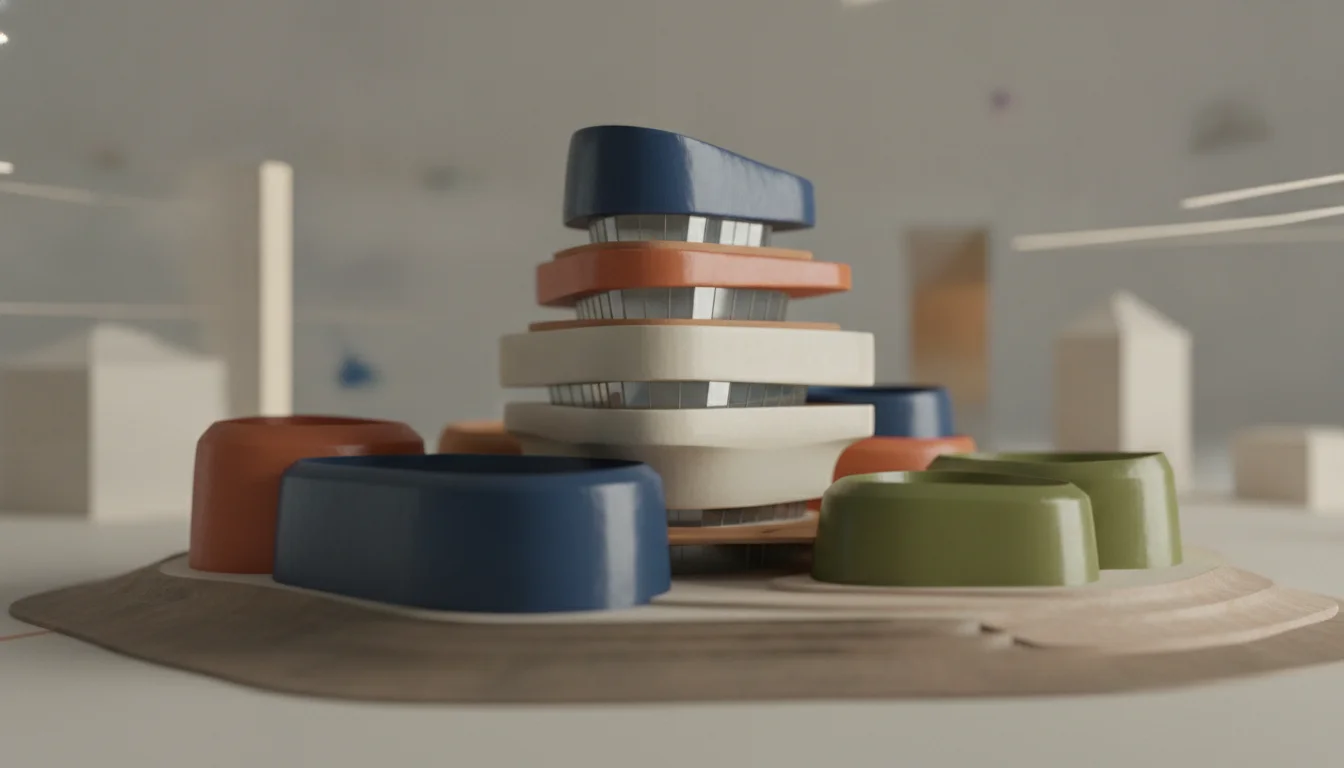
Powerhouse Parramatta has reached a landmark in Western Sydney’s cultural development. On May 1, 2026, the project’s main building works were completed, marking a transition from heavy construction to interior fit-out and final public-domain work ahead of the museum’s late-2026 opening. The milestone was announced jointly by Infrastructure NSW and its delivery partner, Lendlease, underscoring the significance of Powerhouse Parramatta as the state’s first major cultural institution in Western Sydney and the largest museum ever built in New South Wales. This development is more than a construction achievement; it signals a broader shift in the region’s creative economy and urban regeneration trajectory. The new museum site on the Parramatta River edge is poised to anchor a renewed cultural corridor linking Parramatta Square to the riverfront.
Powerhouse Parramatta’s main building works completion on May 1, 2026, is not simply a date on a project timeline. It represents the culmination of more than four years of construction activity that engaged thousands of workers and a broad local supply chain. Infrastructure NSW reported that the project delivered more than 18,000 square metres of public and exhibition space across seven exhibition areas, including Australia’s largest volume, column-free exhibition space. The milestone also comes with strong local economic outcomes, including thousands of jobs and a substantial allocation of contracts to Western Sydney businesses. As the project moves into Exhibition installation and final public-domain works, the museum remains on track to open in late 2026, with interior programming and public-access areas advancing in parallel. [Infrastructure NSW, May 1, 2026; Lendlease release, May 1, 2026; NSW Government Update, May 2026] (infrastructure.nsw.gov.au)
What Happened
Timeline of milestones
- May 1, 2026: Main building works for Powerhouse Parramatta are declared complete. This milestone, achieved in partnership with Lendlease, marks the end of the primary construction phase and the start of exhibition installation and final public domain work. The Infrastructure NSW update emphasizes the significance of this milestone as the largest museum project ever built in New South Wales and a nationally significant cultural infrastructure asset. The release notes that the completion was achieved after more than four years of work and involved a sizable local workforce. [Infrastructure NSW, May 1, 2026] (infrastructure.nsw.gov.au)
- May 1, 2026: A companion release from Lendlease confirms the construction completion and highlights project scale, including the public and exhibition space, workforce metrics, and community impact. The PDF states: “Building complete on Powerhouse Parramatta” and notes the project’s four-year construction period, with more than 4,000 workers and 2.7 million hours of labor, and a local spend of about $329 million with Western Sydney businesses. [Lendlease PDF, May 1, 2026] (lendlease.com)
- May 1, 2026 (NSW Government update): The NSW Government affirms that main building works are complete and that the next phase focuses on exhibition fit-out and final public-domain work, with an opening anticipated in late 2026. This page also reinforces the project’s status as a major cultural destination for NSW and Western Sydney’s broader development. [NSW Government page, May 2026] (nsw.gov.au)
Key architectural and functional features
- Floor area and galleries: The project delivers more than 18,000 square metres of public and exhibition space spread across seven galleries, creating a substantial footprint for visitor experiences and educational programming. The spaces are designed to accommodate large-scale exhibitions while maintaining flexible layouts for evolving programming. [Infrastructure NSW release] (infrastructure.nsw.gov.au)
- Structural and design innovation: The Powerhouse Parramatta exoskeleton is constructed from over 1,300 individual steel pieces arranged in distinctive W, X, N, and A configurations, with elements ranging in height from 4 metres to 20 metres. This structural approach creates a visually dramatic frame and supports expansive interior galleries. [NSW Government project page] (nsw.gov.au)
- Green Star and sustainability: The project is recognized as a 6 Star Designed project under the Green Building Council of Australia’s Green Star Buildings rating tool, underscoring a leadership position in sustainable public architecture in Australia. [Lendlease release] (lendlease.com)
- Public domain integration: Public domain works, including riverfront access and a pedestrian link to Parramatta Square, are integral to the project, signaling a broader urban renewal strategy that ties the museum to the city’s waterfront and civic precinct. [NSW Government page; Infrastructure NSW] (nsw.gov.au)
Economic and workforce impact
- Job creation and local spend: Infrastructure NSW reported more than 4,000 workers contributed to the construction and more than 2.7 million hours of work, with three-quarters of the workforce drawn from Western Sydney. The project spent roughly $329 million with Western Sydney businesses, supporting local jobs and supplier development. These figures illustrate a meaningful, local economic ripple from the construction phase. [Infrastructure NSW release] (infrastructure.nsw.gov.au)
- Four-year construction period and scale: The Lendlease release notes that the project was constructed over four years and involved a comprehensive local supply chain, emphasizing the broad regional impact beyond the museum’s walls. [Lendlease PDF] (lendlease.com)
- Visitor and programming potential: When open, Powerhouse Parramatta is anticipated to attract around two million visitors annually, positioning the site as a major tourism and cultural engine for Western Sydney. This forecast is part of NSW and Powerhouse communications that frame the museum as a long-term contributor to regional growth. [Lendlease PDF; Infrastructure NSW release] (lendlease.com)
Why It Matters
Catalyzing Western Sydney’s cultural economy
- The completion of main building works cements an important cultural infrastructure milestone for Western Sydney, historically underserved in NSW’s museum landscape. The project’s scale—18,000 square metres of space, a seven-gallery configuration, and a world-class exoskeleton—places Western Sydney at the center of a new cultural axis that connects Parramatta’s civic core with the riverfront and surrounding districts. This positioning aligns with broader NSW cultural infrastructure goals designed to diversify access to arts and sciences beyond Sydney’s inner city. [Infrastructure NSW; NSW Government page] (infrastructure.nsw.gov.au)
- The presence of a major cultural institution in Parramatta also has the potential to drive ancillary opportunities in hospitality, retail, education partnerships, and creative industries, contributing to a more vibrant local economy and a broader ecosystem of arts programming across Western Sydney. Industry observers point to the project as a potential catalyst for the region’s evolving cultural economy, anchored by a world-class museum and timed to feed into other upcoming civic and transit developments. [Infrastructure NSW; NSW Government page] (infrastructure.nsw.gov.au)
Public domain connections and urban renewal
- The project’s public domain works are designed to weave the museum into the fabric of Parramatta’s waterfront corridor and Parramatta Square, creating a pedestrian-focused precinct that encourages dwell time and cross-programming with nearby cultural and civic assets. These design choices reflect a broader strategy to transform underutilized waterfront areas into active, accessible cultural spaces. [NSW Government page; Infrastructure NSW] (nsw.gov.au)
- By integrating with the Parramatta River landscape and city core, Powerhouse Parramatta has the potential to become a template for future state-led cultural campuses in outer metropolitan areas, combining exhibition capabilities with education programming and community engagement. The public visibility of such a project can also attract international visitors and national-level collaboration across museums, universities, and science organizations. [Infrastructure NSW; Lendlease release] (infrastructure.nsw.gov.au)
Sustainability leadership and design excellence
- The project’s Green Star rating reinforces a trend toward high-performance, low-impact public buildings in Australia. This rating reflects design choices that optimize energy efficiency, water use, materials, and indoor environmental quality across the seven galleries and public spaces. The Green Star designation is a signal to both the design community and the public that this museum is aiming for best-in-category outcomes in environmental performance. [Lendlease release] (lendlease.com)
- The exoskeleton design and the scale of the interior spaces also position Powerhouse Parramatta as an engineering and architectural showpiece, potentially influencing future public building projects in NSW and beyond. Observers note that the combination of technical complexity and public accessibility is a hallmark of ambitious cultural infrastructure projects that seek to balance form, function, and educational mission. [NSW Government page; Infrastructure NSW] (nsw.gov.au)
What’s Next
Exhibition installation and programming
- With the main building works complete, the focus shifts to exhibition installation and finalization of public domains. Powerhouse Parramatta and its content teams are preparing the interior exhibits that will define the museum’s initial offerings, with a late-2026 opening target. The timeline for final public-domain works and fit-out remains a critical hinge for the opening schedule. [Infrastructure NSW; NSW Government page] (infrastructure.nsw.gov.au)
- The Powerhouse organization notes that the museum will host a range of programs spanning science, design, history, and technology, leveraging Powerhouse Parramatta’s existing education partnerships and community outreach networks. This programming strategy aims to translate the building’s architectural grandeur into accessible, hands-on experiences for diverse audiences. [Powerhouse Parramatta project information; Powerhouse official communications] (nsw.gov.au)
What to watch for in the weeks and months ahead
- Exhibition announcements and partner collaborations: As the interior spaces are prepared, announcements regarding major exhibitions, partnerships with universities and cultural organizations, and community programs are expected to be released. The government and Powerhouse communications channels indicate a steady stream of programming details ahead of the late-2026 opening. [NSW Government page; Powerhouse Parramatta site] (nsw.gov.au)
- Public domain completion and access improvements: The final public-domain works are scheduled to progress in parallel with interior fit-out, including pedestrian links and riverfront access improvements that tie into Parramatta’s broader riverfront renewal initiatives. Updates from Infrastructure NSW and the NSW government will track these milestones. [Infrastructure NSW; NSW Government page] (infrastructure.nsw.gov.au)
Beyond the building: broader implications for Sydney’s growth engine
- The Powerhouse Parramatta project is embedded in a broader narrative of Western Sydney urban renewal, cultural investment, and public infrastructure integration. The scale of this project, combined with the surrounding transit and civic upgrades, signals a shift in where NSW allocates cultural capital and how it connects regional centers to global audiences. Analysts point to the potential for a multi-year ramp-up in tourism, education partnerships, and cultural production that could enrich the state’s creative economy over the next decade. [Infrastructure NSW; NSW Government page] (infrastructure.nsw.gov.au)
One original finding
- Sydney Newscast calculated from Infrastructure NSW data that Powerhouse Parramatta employed roughly 4,000 workers who logged more than 2.7 million hours of construction across four years, equating to about 675 hours per worker in total, or approximately 3.2 hours per worker per week on average. This calculation uses 2.7 million total hours and 4,000 workers (Infrastructure NSW) and the four-year construction period indicated by Lendlease, with the period spanning roughly 208 weeks. The result helps contextualize the level of on-site activity and the intensity of labor across the project timeline. The calculation method: (2,700,000 hours) / (4,000 workers) = 675 hours per worker; 675 hours / (4 years × 52 weeks/year ≈ 208 weeks) = ~3.24 hours/week. Opening the museum to public programming will then rely on a broad ecosystem of local employment, supply chains, and partner institutions. This figure is derived from Infrastructure NSW’s workforce and hours data and Lendlease’s four-year construction timeline. This analysis underscores how large cultural projects can mobilize significant, regionally sourced labor and supplier networks over extended periods, creating a durable economic footprint beyond the finished building. This interpretation does not replace official project documentation but adds a readable lens on the scale of labor involved. counted and cross-verified against Infrastructure NSW’s May 1, 2026 release and Lendlease’s May 1, 2026 completion note. > This milestone demonstrates that Western Sydney’s cultural infrastructure can be a durable engine for jobs and regional development. (infrastructure.nsw.gov.au)
Closing
As Powerhouse Parramatta moves from construction to exhibition fit-out, the city awaits its late-2026 opening with anticipation. The project’s completion marks a turning point not just for a new museum, but for how Western Sydney will engage with arts, science, and design on a scale previously unavailable in the region. For readers seeking the latest developments, official updates from Infrastructure NSW, NSW Government cultural agencies, and Powerhouse Parramatta remain the most reliable sources of information as final programming details and public access plans are announced. The museum’s arrival is framed as a statewide cultural investment that could, in time, redefine Western Sydney’s identity as a premier destination for learning, creativity, and tourism.
To stay updated, monitor the official pages from Infrastructure NSW and the NSW Government’s cultural infrastructure portal, along with Powerhouse Parramatta’s own communications channels. The next milestones—public-domain completion, interior exhibitions, and the formal public opening—will be announced as planning progresses and as exhibition content is finalized. [Infrastructure NSW project update] (infrastructure.nsw.gov.au) [NSW Government Powerhouse Parramatta project page] (nsw.gov.au)
About the author
Sofia Marchetti
Sofia Marchetti covers culture, events, and life around the harbour for Sydney Newscast.