News
RNA Research and Manufacturing Facility Opens in NSW
Sydney Newscast reports the April 2026 opening of NSW's RNA Research and Manufacturing Facility, a $96 million hub for RNA vaccines and therapeutics.
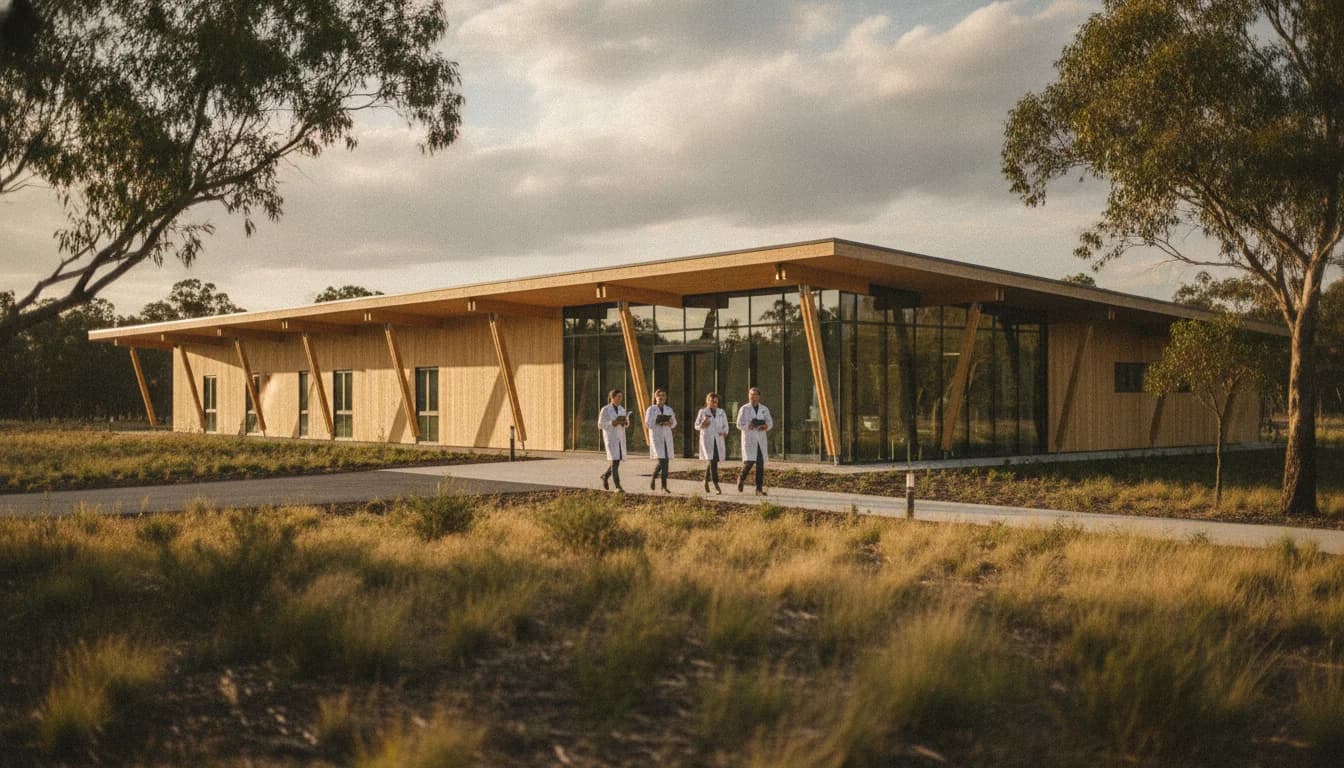
RNA Research and Manufacturing Facility opens in NSW
RNA Research and Manufacturing Facility opened on April 24, 2026, at the Macquarie University Innovation Precinct in Sydney, in a $96 million NSW Government investment spanning about 4,500 square metres and operated by Aurora Biosynthetics. This milestone, announced by Health Infrastructure and the NSW Government, positions New South Wales as a global hub for RNA research, development and pilot-scale production. The unveiling comes after a multi-year plan to build sovereign capability in RNA vaccines, therapeutics and diagnostics, with the facility designed to translate cutting-edge RNA science into clinical and commercial applications. (nsw.gov.au)
The opening signals a formal transition from planning to operation for Australia’s first dedicated RNA research and pilot manufacturing site. The NSW Government emphasised that the 4,500-square-metre complex will host laboratories, pilot-scale manufacturing, quality assurance and regulatory-aligned processes designed to support early-stage clinical development and translational research. The facility sits within Macquarie University’s Innovation Precinct and is operated by Aurora Biosynthetics, a partner organization linked to NSW’s RNA ecosystem. The event was celebrated by government officials and university leaders as a critical step toward domestic, end-to-end RNA capabilities. (nsw.gov.au)
Opening headline and context were underscored by ministerial releases that framed the project as a “historic catalyst for NSW healthcare” and a cornerstone in a broader RNA strategy. The Minns Government’s communications highlighted the facility’s role in enabling rapid development and manufacturing of RNA-based vaccines and therapies, reinforcing NSW’s mission to shorten supply-chain dependencies and accelerate clinical translation. The official announcements also pointed to ongoing collaboration with universities, research institutes and industry partners to sustain a robust RNA ecosystem in the state. (nsw.gov.au)
Lead with the news, the date, and the location, then expand with full details, timelines, and the broader implications for readers and stakeholders.
What Happened
Announcement and opening timeline
- Construction and planning for Australia’s first RNA Research and Pilot Manufacturing Facility began in 2024, with formal government announcements detailing a $96 million investment and a Macquarie University location. This stage set the foundation for a facility intended to enable RNA-based vaccines, therapeutics and diagnostics at a pilot manufacturing scale. The project was positioned as a sovereign capability initiative for NSW, designed to shorten development timelines and improve domestic response to health challenges. (nsw.gov.au)
- Groundbreaking and construction activity progressed through 2024 and 2025, with multiple government updates confirming continued momentum, ongoing site work, and readiness to align with regulatory requirements for GMP-aligned operations. In September 2024, NSW announced that Hindmarsh Construction would lead main works, signaling a major milestone toward completion. (nsw.gov.au)
- The facility officially opened in late April 2026, with a formal opening ceremony and a public statement from Health Infrastructure and senior government officials. The opening date—April 24, 2026—was widely reported in government communications and campus-focused coverage, marking the transition from construction to operational capability. (nsw.gov.au)
Facility scope, design and capabilities
- The RNA Research and Manufacturing Facility comprises approximately 4,500 square metres of laboratory, pilot manufacturing, fill-finish, QA/QC, and supporting spaces. The design emphasizes end-to-end RNA production workflows, including RNA vaccine and therapeutic development, with scalable capabilities appropriate for early-stage development and translational research. The space and scope were highlighted repeatedly in NSW government and university communications. (nsw.gov.au)
- The facility is co-located at Macquarie University’s Wallumattagal campus within the Connect Macquarie Park Innovation District, intended to foster collaboration among academia, industry and startups. The site configuration supports integrated RNA workflows—from production to regulatory-ready quality control—within a single site. (nsw.gov.au)
- Operational oversight and program management have been described as a partnership among Health Infrastructure, the Office of the NSW Chief Scientist & Engineer, RNA Australia and Aurora Biosynthetics, underscoring a structured governance model designed to align with Australia’s regulatory environment and GMP expectations. (chiefscientist.nsw.gov.au)
Leadership, operators and industry context
- Aurora Biosynthetics is identified as the operating partner for the facility, linking the site to industry-scale RNA production experience and enabling collaboration with researchers to move products from the lab toward clinical trials. The arrangement reflects a broader NSW strategy to bring together government, academia and industry to cultivate an RNA ecosystem. (nsw.gov.au)
- The Macquarie University and Lighthouse MQ pages provide additional context on the campus role and the university’s involvement in bioscience innovation, situating the facility within a broader infrastructure program designed to accelerate life sciences outcomes in New South Wales. (lighthouse.mq.edu.au)
Expert note: The facility’s trajectory aligns with a national and regional push to chart an RNA innovation pathway that moves beyond traditional research into scalable manufacturing, enabling faster translation of RNA vaccines, therapies and diagnostics. The Australian RNA blueprint and related government reports underscore a deliberate policy and investment pattern that supports sovereign capabilities in this field. For context, see Australia’s RNA blueprint and NSW government materials on RNA-focused investments. (industry.gov.au)
Why It Matters
Impact on NSW’s RNA ecosystem and sovereign capability
- The opening consolidates NSW’s status as a leading hub for RNA research and manufacturing in Australia, integrating Macquarie University’s research strengths with industry-scale production capacity. The project’s size, cost and site strategy are framed as a deliberate step to reduce external supply-chain risk and to foster a self-reliant RNA development pipeline within the region. The government communications repeatedly emphasize sovereign capability and job-creating potential, positioning the facility as a long-term asset for health security. (nsw.gov.au)
- By hosting both R&D and pilot-scale manufacturing under one roof, the facility aims to shorten the typical cycle from discovery to clinical testing, which could accelerate timelines for RNA-based vaccines and therapies addressing cancer, genetic diseases and emerging infectious threats. This is consistent with broader national and state strategies to strengthen domestic manufacturing and biomedical innovation ecosystems. (industry.gov.au)
Economic and scientific significance for the region
- The $96 million investment is not only a capital expenditure; it signals a broader commitment to building a translational research corridor that links universities, industry and government. The collaboration framework and funding envelope suggest downstream effects on talent development, local supplier ecosystems and future research funding cycles. The NSW government’s communications emphasize job creation and regional development as secondary benefits of a fully integrated RNA facility. (nsw.gov.au)
- The facility’s scale and intended outputs place NSW among a small group of global jurisdictions pursuing end-to-end RNA production at a national or state level. While other countries have RNA institutes and manufacturing pilots, the NSW project is notable for seeking to combine research, development and manufacturing in a single flagship site within Australia. Analysts may watch how this model compares with international RNA hubs in terms of regulatory readiness, productivity, and cost efficiency. (industry.gov.au)
Stakeholder implications: researchers, industry, policy
- Researchers gain access to a dedicated space that supports GMP-aligned workflows and regulatory pathways likely to be relevant for TGA approvals and related clinical programs. For universities and biotech startups, the facility could lower barriers to translating preclinical RNA concepts into biologically relevant products. The government and university partners have framed this as a platform for collaboration and technology transfer. (labonline.com.au)
- Industry participants and potential investors may view the Macquarie site as a magnet for co-development, pilot manufacturing contracts and early-stage clinical opportunities. The presence of a government-backed, end-to-end RNA facility can influence investment decisions and shape the competitive landscape for RNA-enabled therapies in the Asia-Pacific region. (chiefscientist.nsw.gov.au)
Expert note: The RNA ecosystem in NSW is framed as a triad of government investment, academic expertise and industry execution. The combination aims to deliver a resilient, domestic supply chain for RNA products, aligning with national perspectives on biotechnology diversification and crisis readiness. See the broader RNA blueprint and related NSW health and innovation materials for context. (industry.gov.au)
What’s Next
Operational milestones and regulatory alignment
- The facility’s opening marks the start of a phase in which the site will pursue regulatory-ready workflows, pilot-scale production and early-stage clinical support under established Australian standards. Observers will be watching for milestones such as successful GMP qualification, validation of RNA production processes, and alignment with Therapeutic Goods Administration (TGA) expectations for future products. Public materials emphasize readiness for regulatory pathways that support rapid translation from research to clinic. (labonline.com.au)
- As with any new manufacturing hub, the next steps include establishing supply chain arrangements, validating QA/QC systems, and building out collaborations with national and international partners. The government’s ongoing communications and university statements indicate a multi-year program of capability growth, with potential phased expansions tied to funding cycles and program outcomes. (nsw.gov.au)
Partnerships, projects and watch points
- A central element of the ongoing plan will be how the facility interfaces with RNA Australia and other NSW universities to maintain a robust pipeline from discovery through to manufacturing. Observers should watch for joint research announcements, pilot programs, and any early-stage production contracts that demonstrate the site’s practical impact on patient-ready RNA therapeutics and vaccines. (chiefscientist.nsw.gov.au)
- Industry coverage and professional journals are expected to track the facility’s impact on the local biotech ecosystem, including downstream effects on jobs, academic–industry collaboration, and regional development around the Macquarie Park Innovation District. Macquarie University and industry partners have signaled a long-term commitment to integrating the RNA facility into broader regional strategies. (lighthouse.mq.edu.au)
Closing
In the months following the opening, Sydney Newscast will monitor how the RNA Research and Manufacturing Facility translates its ambitious design into tangible clinical and commercial outcomes. The facility’s existence is widely viewed as a watershed for Australia’s RNA landscape, potentially accelerating the translation of RNA science into vaccines, therapies and diagnostics that can benefit patients locally and globally. We will continue to report on partnerships, regulatory progress, and early results from the Macquarie University Innovation Precinct’s RNA ecosystem as they unfold.
Readers seeking ongoing updates should follow the official NSW Health Infrastructure and Macquarie University channels for primary statements, project updates and milestone announcements, and look for independent analyses that track how sovereign RNA manufacturing capability evolves in the Australian context. The trajectory of this facility will matter not just for New South Wales, but for researchers, biotech startups and policymakers considering how regional hubs can contribute to global health resilience.
About the author
Sydney Newscast
Content writer for Sydney Newscast