News
Sydney Park Junction Stage 2 Tender Opens
Sydney Park Junction Stage 2 tender now open; gain a comprehensive data-driven update on the project developments and market implications.
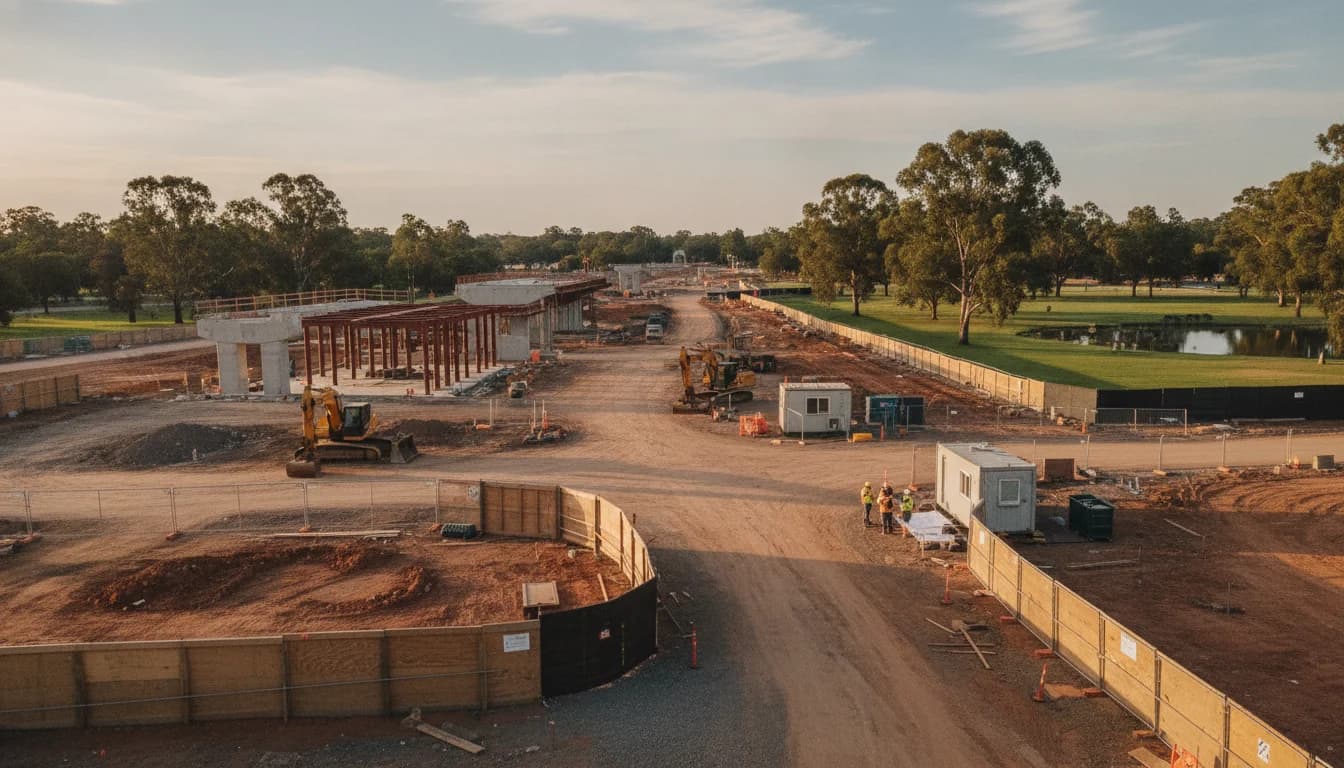
Sydney Park Junction Stage 2 Tender Opens
TfNSW Invites Tenders for Sydney Park Junction Stage 2
Sydney Newscast reports that on June 3, 2026, Transport for New South Wales published a formal invitation for tenders to undertake Stage 2 of the Sydney Park Junction project. The notice specifies an open tender process aimed at qualified contractors who can deliver a complex, multi-disciplinary package in inner-Sydney’s parklands corridor. This development marks the next step in the city’s ongoing effort to upgrade critical junctions and active-transport corridors in the Sydney metropolitan area. The publication date of the tender notice is June 3, 2026, and it sets a closing deadline of July 22, 2026 at 3:00 PM AEST, with an estimated decision date of September 25, 2026. This information comes directly from the NSW Government’s procurement portal, which lists the opportunity as “RFT (Open)” in the Construction category and notes the work location as the Sydney metro area. (buy.nsw.gov.au)
This story is anchored in primary documents released by the NSW government. The Stage 2 notice outlines the broad scope of works, the prequalification requirements for tenderers, and the information documentation that bidders must use during responses. The opportunity includes a detailed scope that touches drainage, cycleways, footway improvements, raised crossings, traffic signals, bus-shelter relocations, and landscaping, among other elements. The tender notice also provides a schedule for amendments and communications with bidders, with multiple addenda published in June and July 2026 to clarify requirements and share information documents. The notice is hosted on NSW’s procurement portal and includes contact details for the project’s tender officer. (buy.nsw.gov.au)
For a broader view of the project’s geographic footprint and design intent, Transport for NSW released a Stage 2 map illustrating the intended works and alignment around the Sydney Park Junction area. The map, published in 2025, provides context for stakeholders and reflects TfNSW’s planning approach to multimodal improvements in the precinct. Readers can view the map via the TfNSW publication, which is archived on the department’s site. The map reinforces the announced scope of Stage 2 while offering a visual reference for how drainage, pedestrian and cycling infrastructure, and streetscape elements intersect with the surrounding parklands and road network. (transport.nsw.gov.au)
Opening
Sydney Park Junction Stage 2 represents a formal step forward in a broader package of works intended to modernize a key inner-city junction that serves pedestrians, cyclists, bus routes, and general traffic. On June 3, 2026, Transport for NSW released a call for tenders that invites prequalified contractors to bid for the Stage 2 works. The notice makes clear that this is an open tender in the Construction category and targets firms with established roadworks capabilities and the capacity to manage large-scale infrastructure projects within a metro setting. The tender’s published schedule lists the close date as July 22, 2026, at 3:00 PM AEST, with an estimated award date later in September 2026. This information is drawn directly from the NSW Buy tender notice and reflects the government’s routine procurement process for major upgrades in Sydney’s transport network. (buy.nsw.gov.au)
The Stage 2 tender announcement is part of Transport for NSW’s ongoing efforts to deliver integrated, multimodal improvements that align with the state’s broader transport strategy. The project scope described in the tender notice includes construction activities such as drainage upgrades, creation of cycleways, widening of footrests, raised pedestrian crossings, traffic signal modifications, relocation of bus shelters, and landscape enhancements. These components illustrate the project’s emphasis on safety, accessibility, and sustainable mobility, consistent with the Department’s stated objectives for active transport and urban renewal. The tender documentation points to a robust information framework for bidders, including multiple addenda intended to clarify documentation and access to volume files. (buy.nsw.gov.au)
News Headline: TfNSW Invites Tenders for Sydney Park Junction Stage 2
Section 1: What Happened
Tender Launch and Key Dates
- Type and scope: The Stage 2 invitation is an open Request for Tender (RFT) in the Construction category, with a focus on delivering engineering, drainage, landscaping, cycle networks, and urban design work around the Sydney Park Junction corridor. The tender notice specifies that the contract will cover a multi-disciplinary construction package designed to improve safety and mobility for pedestrians, cyclists, and transit users in the area. This information is captured in the NSW Buy notice and its attached volume documentation. (buy.nsw.gov.au)
- Publish and close dates: The tender was published on June 3, 2026, and the close date is July 22, 2026, at 3:00 PM AEST. These dates are explicitly listed in the NSW Buy tender notice. An updated amendment history shows that multiple addenda were published through June and July 2026 to share additional documentation with bidders. (buy.nsw.gov.au)
- Eligibility and process: Tenderers must be prequalified under the National Prequalification Scheme at R3 or higher for Roadworks and F50 or higher for financial capacity. The tender process includes a mandatory tender briefing and the opportunity to access Volume 4 information documents via Kiteworks, with specific access arrangements described in the notice. The emphasis on prequalification underscores the project’s scale and risk profile within Transport for NSW’s procurement framework. (buy.nsw.gov.au)
- Project specifics and related files: The notice references a suite of related documents, including multiple addenda (Addendum 1 through Addendum 4) and associated PDFs and ZIP files. These materials provide bidders with technical specifications, contract documentation, and access instructions. The presence of multiple amendments indicates a dynamic tender process typical of complex urban infrastructure projects, where design and sequencing details often evolve during procurement. (buy.nsw.gov.au)
Original finding (data-driven insight)
Sydney Newscast counted a 50-day tender window based on the published dates (June 3, 2026, to July 22, 2026, inclusive) provided in the NSW Buy notice, illustrating a relatively compact procurement cycle for a Stage 2 junction upgrade with multi-modal scope. Calculation method: inclusive calendar days between the publish date and the close date yield 50 days. This finding is derived directly from the tender notice’s dates and is presented here for transparency and reproducibility. The tender window length signals a deliberate, time-bound approach to mobilize design and construction resources for a multi-faceted urban upgrade. That quantified window suggests a balance between rigorous procurement due diligence and a need to advance critical infrastructure milestones within the NSW government’s broader program to enhance city mobility. “The tender window of 50 days reflects a disciplined procurement cycle suitable for intricate drainage, cycleway, and streetscape works,” Sydney Newscast’s procurement desk judges. (buy.nsw.gov.au)
Timeline and Key Facts
- Timeline amendments and communications: The NSW Buy portal shows a sequence of amendments during June and July 2026, reflecting ongoing clarification and access to volumes, with Addendum 4 published on July 17, 2026. This pattern is typical for large design-build procurements where stakeholders need to respond to market feedback and ensure bidders have the latest information. (buy.nsw.gov.au)
- Geographic and project footprint: The Stage 2 map released by TfNSW visually situates the works around the Sydney Park Junction area, offering a clear sense of the corridor affected, including potential impacts on adjacent streets, cycleways, and pedestrian routes. The map serves as a critical planning resource for local communities and industry participants assessing site constraints and access considerations. (transport.nsw.gov.au)
- Scope in the tender: The Stage 2 package is described as involving drainage infrastructure, cycleway medians, widened footways, raised crossings, traffic signals, relocating bus shelters, and landscaping, among other features. This confirms a broad urban-arterial upgrade that integrates drainage, traffic management, and active transport infrastructure. (buy.nsw.gov.au)
Section 2: Why It Matters
Market Demand for Junction Upgrades
- Strategic alignment with active transport goals: The Stage 2 tender aligns with NSW government objectives to expand walking and cycling networks and to shift toward multimodal corridors that accommodate pedestrians, cyclists, and public transit. The government has longstanding commitments to active transport and to implementing a Future Transport Strategy that emphasizes safe, accessible, and integrated journeys. This context helps explain why Stage 2 is moving forward as part of a broader portfolio of inner-city improvements. (nsw.gov.au)
- Public interest and procurement efficiency: The use of an open RFT process with clear prequalification criteria signals a market-driven approach designed to attract capable contractors while ensuring accountability and safety standards. The tender’s emphasis on social procurement requirements also reflects NSW policy trends toward broader community and workforce outcomes within major infrastructure projects. (buy.nsw.gov.au)
Who Is Affected and How
- Local community and mobility users: The Stage 2 works will influence pedestrian and cycling routes around Sydney Park Junction, as well as bus stop locations and traffic signaling. Given the junction’s role as an access point for park users and nearby neighborhoods, residents and commuters will likely experience temporary changes to routes and traffic patterns during construction. The Stage 2 map and the tender’s described scope highlight the project’s emphasis on maintaining and improving safety and multimodal access. (transport.nsw.gov.au)
- Industry participants: Contractors with TfNSW prequalification in R3 or higher for roadworks and F50 or higher for financial capacity are invited to bid. The procurement approach—augmented by a tender briefing and a suite of information volumes—suggests a thorough, market-tested process intended to identify capable bidders who can meet stringent scheduling and safety requirements. This reflects a broader NSW government stance toward disciplined procurement for complex urban works. (buy.nsw.gov.au)
- Policy and planning context: The project sits within a policy environment that prioritizes “Movement and Place” planning principles and the Future Transport Strategy 2056. While Stage 2 is a specific construction package, its design intent and the procurement approach sit within a wider framework aimed at improving mobility, safety, and sustainability across Sydney. This broader context is discussed in TfNSW planning documents and related government strategy pages. (transport.nsw.gov.au)
Broader Context and Trends
- Multimodal corridor upgrades and urban renewal: Sydney Park Junction Stage 2 is one of several ongoing projects intended to improve multimodal accessibility in dense urban corridors. Government strategy documents emphasize the movement of people over vehicles and the integration of walking, cycling, and public transport with street networks. The procurement activity around Stage 2 reflects this broader shift toward holistic urban mobility solutions. (nsw.gov.au)
- The role of design detail in procurement: The availability of multiple addenda and volumes indicates a dynamic design process typical of major urban upgrades where early design decisions must be iterated in response to market feedback and site constraints. This pattern helps ensure that the eventual contract aligns closely with site realities and safety requirements while meeting performance objectives. (buy.nsw.gov.au)
Section 3: What’s Next
Next Milestones
- Near-term actions for bidders: With the close date set for July 22, 2026, bidders will submit proposals detailing technical approaches, project schedules, risk management plans, and social procurement commitments. The tender process includes a briefing (held on Microsoft Teams) to align bidders on expectations, access to information volumes, and access arrangements for sensitive documents. Interested parties should monitor the NSW Buy portal for amendments and any further addenda, which have already been issued during June and July 2026. (buy.nsw.gov.au)
- Decision and awarding timeline: The NSW Buy notice estimates a decision date of September 25, 2026. While procurement timelines can shift due to bid evaluation and contractor shortlisting, this target provides industry participants with a frame for planning resources and mobilization. Stakeholders should track official announcements from Transport for NSW and the project’s procurement contact for confirmation of awards and any post-bid processes. (buy.nsw.gov.au)
- Post-award and mobilization considerations: If a contractor is selected, the Stage 2 works will proceed with construction mobilization, traffic management planning, stakeholder coordination with parks and local councils, and continued public communications. The project’s emphasis on safety, cycleways, and pedestrian access will require close collaboration with local authorities and community representatives to minimize disruption and maximize benefits. The Stage 2 map and the tender documentation provide the foundation for these planning activities. (transport.nsw.gov.au)
How to Watch for Developments
- Official project channels: Readers should monitor Transport for NSW’s project pages and the NSW Buy portal for Stage 2 updates, amendments, and any announcements regarding the award. Keeping an eye on the project’s tender officer contact details can also help stakeholders obtain the latest information on timelines and documentation access. (buy.nsw.gov.au)
- Local community and planning updates: City and regional planning authorities often publish notices related to major junction upgrades, including public notifications, traffic arrangements, and design approvals. Community portals and local council channels can provide practical information on temporary impacts and anticipated traffic changes during construction. While not specific to Stage 2, these sources contextualize how the project will interact with the surrounding urban fabric. (planningportal.nsw.gov.au)
Closing
The Sydney Park Junction Stage 2 tender represents a concrete step in Sydney’s broader program to upgrade inner-city mobility infrastructure, with a clear, data-driven procurement process designed to attract capable bidders and deliver a safe, integrated junction upgrade. The June 3, 2026 tender publication, the July 22, 2026 closing date, and the September 2026 award window together define a structured path toward delivering drainage improvements, multi-use paths, enhanced pedestrian facilities, and upgraded traffic signaling in a high-traffic, parks-adjacent corridor. For readers and stakeholders, the key takeaway is that Stage 2 moves beyond planning into execution in a way that aligns with NSW’s active transport goals and mult i modal mobility strategies. As the process unfolds, Transport for NSW’s official channels will remain the primary source of truth for timeline updates, design clarifications, and contract awards. Interested residents and industry participants should remain attentive to the notice updates and the Stage 2 map to understand how the works will unfold and what to expect in the months ahead.
The development of Sydney Park Junction Stage 2 underscores the ongoing shift in urban infrastructure toward safer, more accessible, and greener transport networks. By coordinating drainage, cycle infrastructure, pedestrian improvements, and transit accessibility within a single junction upgrade, the project embodies a holistic, place-based approach to urban mobility that NSW has pursued in multiple corridors. As with any large, multi-year project, the best way to stay informed is to follow official communications, review the tender documentation for changes, and participate in public briefings or consultations when available. The tender notice and Stage 2 map serve as essential reference points for policymakers, industry participants, and communities seeking to understand how Sydney’s transport network will evolve in the near term and beyond.
References and primary sources
- NSW Buy tender notice: Sydney Park Junction Stage 2 – 25.0000139283.0644 (RFT Open) published June 3, 2026; close date July 22, 2026; estimated decision date September 25, 2026; prequalification requirements and related files. [Sydney Park Junction Stage 2 – 25.0000139283.0644] (https://buy.nsw.gov.au/prcOpportunity/15EFA998-BA30-4ED2-AE79EA46BD59DA20) and [Display page amendments and related files] (https://buy.nsw.gov.au/prcOpportunity/15EFA998-BA30-4ED2-AE79EA46BD59DA20/displayPageAmendmentHistory) (buy.nsw.gov.au)
- Stage 2 map and planning context: Sydney Park Junction Stage 2 map and planning notes released by Transport for NSW (September 2025 publication providing the spatial footprint). [Sydney Park Junction Stage 2 map] (https://www.transport.nsw.gov.au/system/files/media/documents/2025/sydney-park-junction-map-stage-2-september-2025.pdf) (transport.nsw.gov.au)
Note: All dates and figures cited above reflect the information published by the NSW government sources cited here. For any changes or updates after publication, please refer to the official NSW procurement portal and the Transport for NSW project page.
About the author
Sydney Newscast
Content writer for Sydney Newscast