Technology
Sydney Startup Scene 2026: Tech Central and Who's Building
Inside Tech Central: Atlassian's timber tower, Canva and SafetyCulture next door, and why Sydney's startup scene finally has an address.
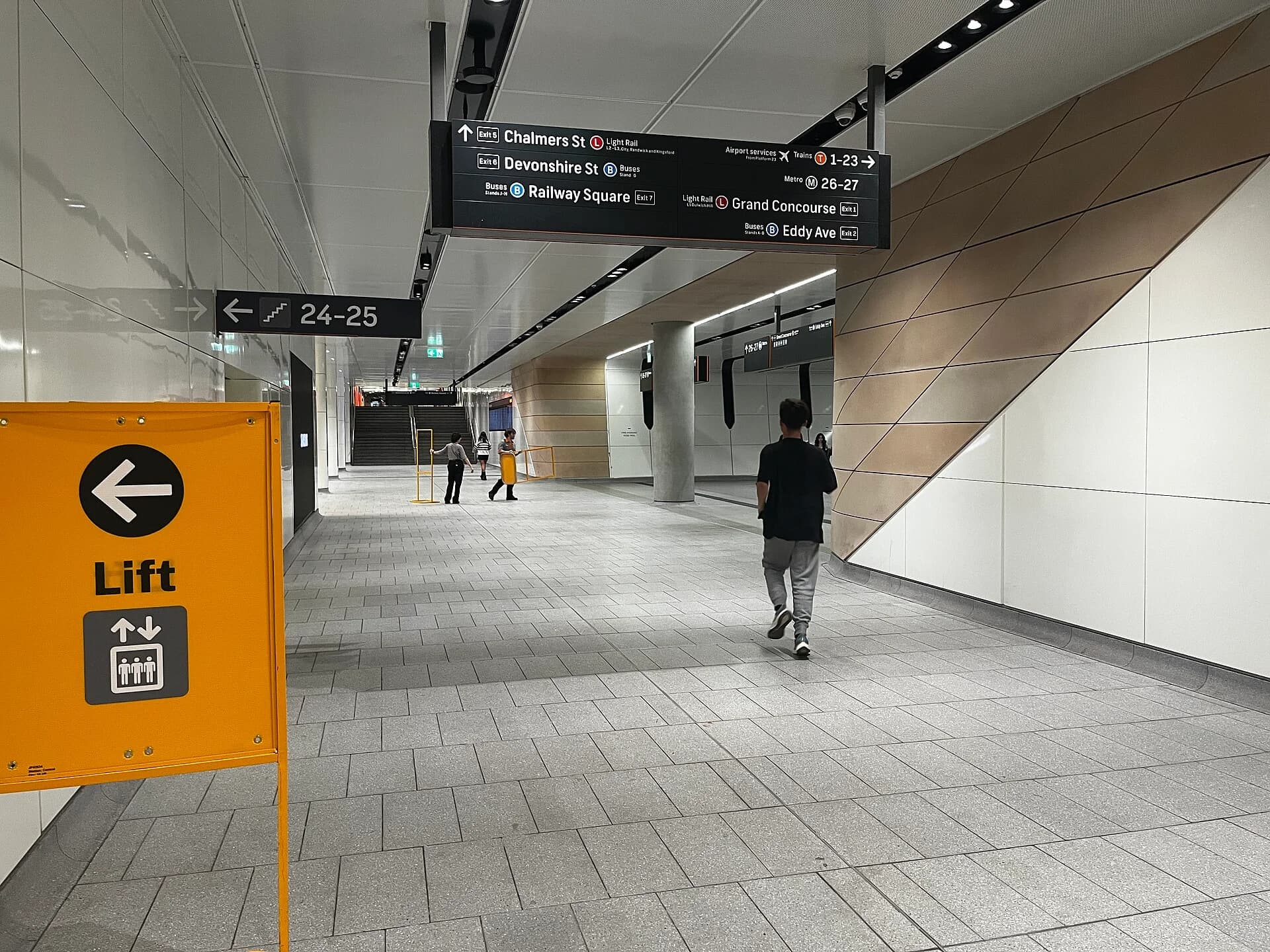
For decades, Sydney's tech scene had no address. Startups scattered themselves across Surry Hills warehouses, North Sydney towers and whatever co-working floor had a free desk, and the ecosystem existed mostly as a series of meetups. That era is ending, and it is ending at a specific place: the strip of city between Central Station and Camperdown that the NSW Government has branded Tech Central.
What Tech Central actually is
Tech Central is not a single building but a precinct, running several kilometres from Central Station through Haymarket and Ultimo down to Camperdown, taking in the South Eveleigh rail yards along the way. The state's ambition for it is explicit. The NSW Government has committed to facilitating 250,000 square metres of office space in the precinct for startups, scale-ups and research partners, a number that gives the project its scale: this is the largest deliberate concentration of tech floorspace ever attempted in Australia.
The money keeps arriving in instalments. Beyond the original $48.2 million to stand the precinct up, the 2025-26 state budget committed a further $38.5 million as part of an $80 million innovation package under the government's Innovation Blueprint 2035. Mike Cannon-Brookes, Atlassian's co-founder, has separately backed a $5 million reboot of the precinct's community programming, which matters because government money builds floors while founder money builds scenes.
The anchor is impossible to miss. Atlassian Central, the roughly $1.4 billion hybrid-timber tower rising directly above Central Station, will be one of the tallest timber buildings in the world when it opens, with the schedule now pointing at 2027. The company committed to the precinct back when it was a plan on paper, and the tower going vertical did more for Tech Central's credibility than any press release.
Who is actually building
Sydney's claim to startup primacy rests on real companies rather than branding. Atlassian remains the founding story, a NASDAQ-listed software giant that proved a global product company could be built from Sydney. Canva, headquartered in Surry Hills on the precinct's doorstep, is the second act: still private, still founder-led, and one of the most valuable startups in the world, having raised more than US$2 billion across its life.
The layer below the giants is where the current energy sits. SafetyCulture, the workplace operations platform that began life in Townsville and scaled from Sydney, has been valued north of $2.5 billion following its most recent raise, backed by Blackbird Ventures and Index Ventures. Employment Hero has built HR and payroll software into unicorn territory from Sydney. ROKT, the e-commerce marketing company, sits in the same club. Alongside them run hundreds of seed and Series A companies, with AI now absorbing the clear majority of Australian venture capital, a shift every local fund confirms.
The investors have an address too. Blackbird, Airtree and Square Peg, the three funds that dominate Australian venture, all invest heavily out of Sydney, and their portfolios read as a map of the ecosystem: Canva, SafetyCulture, Employment Hero, Go1 and a long tail of AI-native newcomers. Industry benchmarking suggests Sydney captures more of Australia's venture investment than every other city combined, which is roughly what you would expect from the city holding the money, the talent pool and now the precinct.
Why a precinct matters
It is fair to ask whether geography matters in a remote-work era. The evidence from every serious tech hub says yes, and for an unfashionable reason: proximity compounds. Engineers change jobs without changing train stations. Founders collide with investors at the same cafes. A university, in this case the University of Technology Sydney and the University of Sydney bracketing the precinct, feeds graduates straight into the buildings next door.
Tech Central is the first time Sydney's startup scene has had a physical centre of gravity, and it is already changing where founders choose to build. Leases that would once have defaulted to North Sydney or the CBD core now default to the southern end of the city. That pull is the precinct working as designed, years before its marquee tower even opens.
The honest caveats
None of this makes Sydney San Francisco, and the gaps are worth naming. Australian venture rounds remain smaller than American ones at every stage, and the toughest filter is the jump from seed to Series A, which most funded startups never make. Sydney's cost of living cuts against the young engineers the precinct needs, a problem the Bay Area knows intimately. And precincts can fail. Plenty of governments have painted an innovation district onto a map and watched nothing happen.
The difference here is that the tenants arrived before the ribbon-cutting. Atlassian committed a billion-dollar building, Canva grew next door on its own, and the venture funds were already local. The government is amplifying a cluster that formed organically, which is the one version of this policy with a track record of working. Judged on that basis, Sydney's startup scene in 2026 is not waiting for Tech Central to open. It is already living there.
Cover image: Aliceinthealice, cc0 via Wikimedia Commons.
About the author
Mia Calloway
Mia Calloway is a senior correspondent at Sydney Newscast, reporting on business, property, and the NSW economy.